

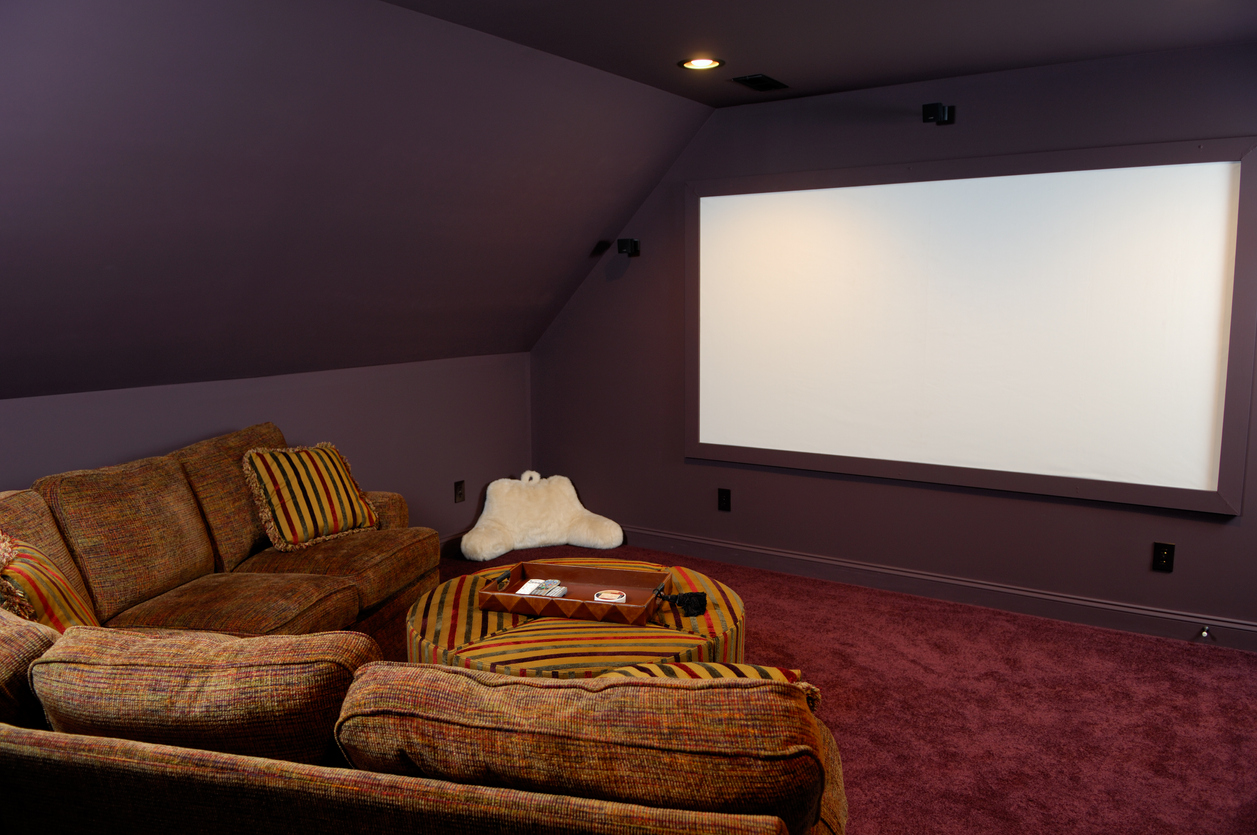
Today we are going to discuss some important considerations when designing the perfect home theater experience. Major factors include choosing the sound system, projector, seating, and screen. You’ll also need to figure out the seating layout and screen viewing angles and minimize ambient light and noise. Finally, some options are more budget-friendly, while others may be more costly but worth the price to create the ideal experience. Here are eight essentials to consider.
1. Sound System
When choosing a sound system, there are options for every style and budget. No matter how much you plan to spend, it’s important to get a quality sound system.
If you are looking for the best sound possible, consider purchasing an AV system. An AV system is comprised of an AV receiver and multi-speaker. An AV receiver is in many ways like an amplifier. It receives audio signals and amplifies them to the surrounding speakers. If you decide to purchase an AV receiver, you will need to buy a multi-speaker system as well.
The more budget-friendly option would be a soundbar. Soundbars are more compact, yet they can still offer high levels of performance. Some soundbars allow for the connection of a subwoofer.
2. Ambient Light and Other Visuals
When creating the perfect home theater experience, it’s important to pay attention to all light sources that can make their way into the theater. You can get darker curtains to reduce the amount of ambient light. Blackout curtains can almost completely block light coming in from the windows. Identify anything reflective in your home theater, and move it or paint it a dark matte color. Other options include sanding objects to take the shine off their surfaces.
If possible, consider locating your home theater in a basement area. These spaces are often underutilized for other purposes and are perfect for a home cinema. And if your basement has no windows, you won’t have to worry about ambient light.
Eliminate as many distractions as possible so that the room you have chosen maintains its focus as a home theater. For example, don’t crowd the area by the screen with objects or movie posters. If you would like to display some of these items, locate them in the back, where they won’t interfere with the entertainment experience.
3. Ambient Sound
There are several ways to control ambient sound. First, consider the location of the home theater. The basement is an excellent option for controlling sound as well as light. It will also offer the benefit of locating the home theater away from other distractions such as the dishwasher, toilets, and outside noises.
Other ways to reduce ambient sound include soundproofing. Soundproofing can be as simple as adding a second layer of drywall. Another option is to purchase a wallboard intended for sound reduction. If there are any cracks, such as on windows, consider sealing them with caulk to further soundproof the space.
4. Screen
When choosing a screen, considerations include the length and layout of the room as well as the screen material. Some options are more appropriate for darker surrounding walls.
Screen Size
The first determination is screen size. When choosing a screen size, consider the size of the room you are using. Also, consider the amount and position of the seats. The first row of seats should be located approximately two screen lengths away from the screen. When the room size allows it, invest in a big screen as it often elevates the experience.
Screen Material
The projector screen material should be chosen based on the surrounding room. For example, some projector screens are better suited to darker or lighter rooms. If possible, it is best to surround the screen with black.
One of the lower-cost options is to purchase a blackout screen. Don’t think this will just be a black screen because it will actually have a white cloth finish on top. Another option is to use paint. Not just any paint will do. There are specific paints meant for projector screens. If you go this route, ensure that the wall where you paint is completely even, or it could be visible when using the projector.
Fixed or Retractable
Finally, consider whether you want a fixed screen or a projector screen that is retractable. If you want a retractable screen, then you will further consider whether you want it to be manually operated or a motorized screen. No option is better than the other, and it largely comes down to personal preference.
5. Projector
When considering the appropriate projector to buy, there are many options on the market to suit specific needs. For example, some projectors are brighter, making them convenient if you are unable to eliminate ambient light. Others are created to project at short distances for smaller rooms.
Ambient Light Rejection
If your situation permits no other way to reduce ambient light, consider a projector that reduces its effects by being brighter. These types of projectors are called ambient light rejecting (ALR) projectors. ALRs project at a minimum of 2,500 lumens.
Resolution
Resolution means the number of pixels that are projected on the clip. Many projectors are 1080p. However, many projectors sold now are native 4k, meaning 4096 x 2160. The 4k projectors will be more expensive, but you will be able to view films in much greater detail. It is recommended to view these differences in person to determine the best choice for you.
Projectors for Small Rooms

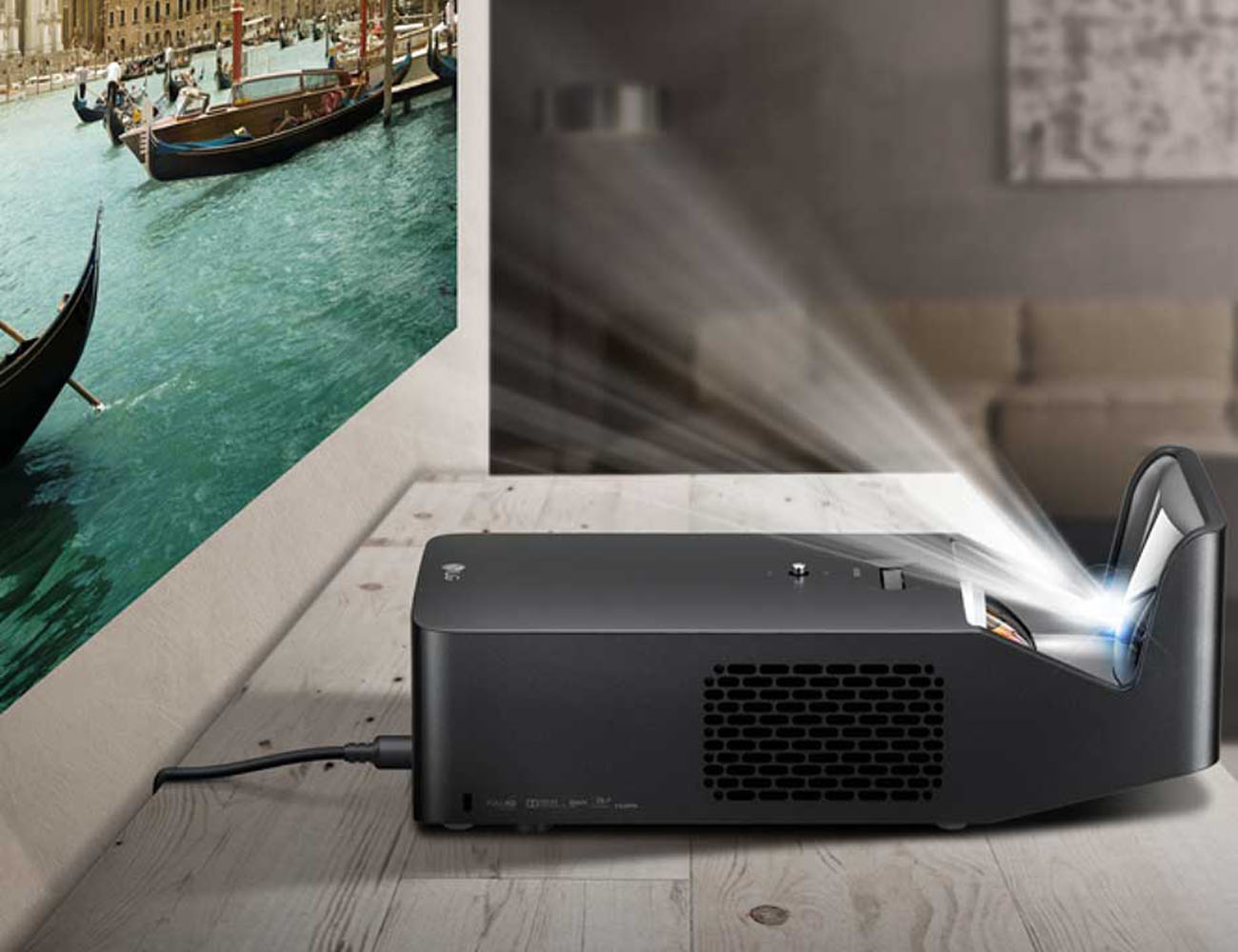
If the room you are using for your home theater is not very long, you may enjoy an ultra-short-throw (UST) projector. These projectors are designed to be placed very close to the screen, often around 6 inches away. If you think a UST projector might be the best choice for your home theater, select one with a high-quality screen since UST projectors can magnify any imperfections.
6. Seating and Soft Furnishings
You want to ensure your home theater has a high level of comfort to create the perfect home theater experience. First, get comfortable seats. When looking to make your seats more comfortable, consider purchasing seat cushions. Gel seat cushions are popular and a great way to reduce any discomfort during the movie. Adding cushy pillows to relax with can improve the overall experience. You might also want to include a neck pillow if that will further increase your comfort.
Placement
When choosing the seating for your home theater, major considerations include the placement of your seats. For the best audio experience, the seats should be located within the sound cone of the main speakers.
You should determine the appropriate seating capacity for your space. Consider the viewing angle each seat would have. It is better to have fewer seats with good sight lines rather than more seats with poor screen visibility.
Seating Type
The seat type is another consideration. With a home theater, you have the flexibility to choose what you want. Options include individual chairs and recliners or a loveseat. Many retailers sell both kinds of seats, so it is also possible to mix and match.
Buying seats specifically meant for theaters is not always necessary as long as the furniture you choose has the functionality you prefer. An example is the ability to recline. Some people do find buying theater seating is worth it and improves the overall experience.
7. Universal Remote
A universal remote is a great option to have for the perfect home theater experience. It allows you to simplify and only use one remote to control different devices such as the projector, soundbar, and Blu-Ray DVD player. If you get a universal remote, you will lower your frustration of searching for multiple remotes.
8. Extra Options
Also, consider luxury options such as bass shakers installed in the seats. Including options like that can elevate the home theater to make it comparable to, if not better than, a regular theater.
Conclusion
Building a home theater is an exciting project. There are many options to choose from when creating your perfect home theater experience, from projectors to seating and lighting. Additionally, you need to consider environmental factors like ambient noise and light. A home theater is a special place, and it is rewarding to create a unique space where you and your favorite people can spend time together in comfort, doing what you love.